Neurodivergent vs. Neurotypical: What's the Difference?
In recent years, the term “neurodivergent” has become commonly used when discussing different types of brain function—but what exactly does it mean to be neurodivergent, and what are the differences when comparing neurodivergent vs. neurotypical brains?
Keep reading to learn more with Aspire Psychology’s Alesin Sinclair.

What Does It Mean to Be Neurodivergent?
To put it simply, Cleveland Clinic states: “The term ‘neurodivergent’ describes people whose brain differences affect how their brain works.”
“Neurodivergent means your nervous system is built differently from what the dominant culture has defined as standard,” says Sinclair. She goes on to share that the term was originally coined in the 1990s by sociologist Judy Singer, and was initially used to describe autism specifically. It has since expanded to include:
Autism
Attention-Deficit Hyperactivity Disorder (ADHD)
Dyslexia
Dyscalculia
Dyspraxia
Tourette’s syndrome
Sensory processing differences
Trauma-related nervous system adaptations
“The most important thing the world signals is this: different, not defective,” says Sinclair. “A neurodivergent nervous system is not a broken neurotypical nervous system. It is a differently built nervous system—one that processes information, sensation, time, social signals, and emotion through different pathways, at different intensities, and with different costs and capacities than what the majority culture has designed its environments, institutions, and expectations around.”
It’s estimated that between 15–20% of the population identifies on the spectrum of neurodivergence.
What Does It Mean to Be Neurotypical?
According to Sinclair, people who are described as “neurotypical” operate with a nervous system that processes information in ways that align with what the dominant culture has defined as standard. The world’s environments, institutions, and social norms were largely designed for neurotypical nervous systems, which is why neurodivergent people can sometimes struggle with environments and situations that feel second nature to neurotypical individuals.
Sinclair makes it clear: neurotypical is not a synonym for normal, and neurodivergent is not a synonym for abnormal. “These are descriptions of nervous system profiles,” she says. “Neurotypical nervous systems have their own vulnerabilities, blind spots, and limitations—they’re simply better matched to the environments most people currently inhabit.”
How Do Neurodivergent and Neurotypical Brains Work Differently?
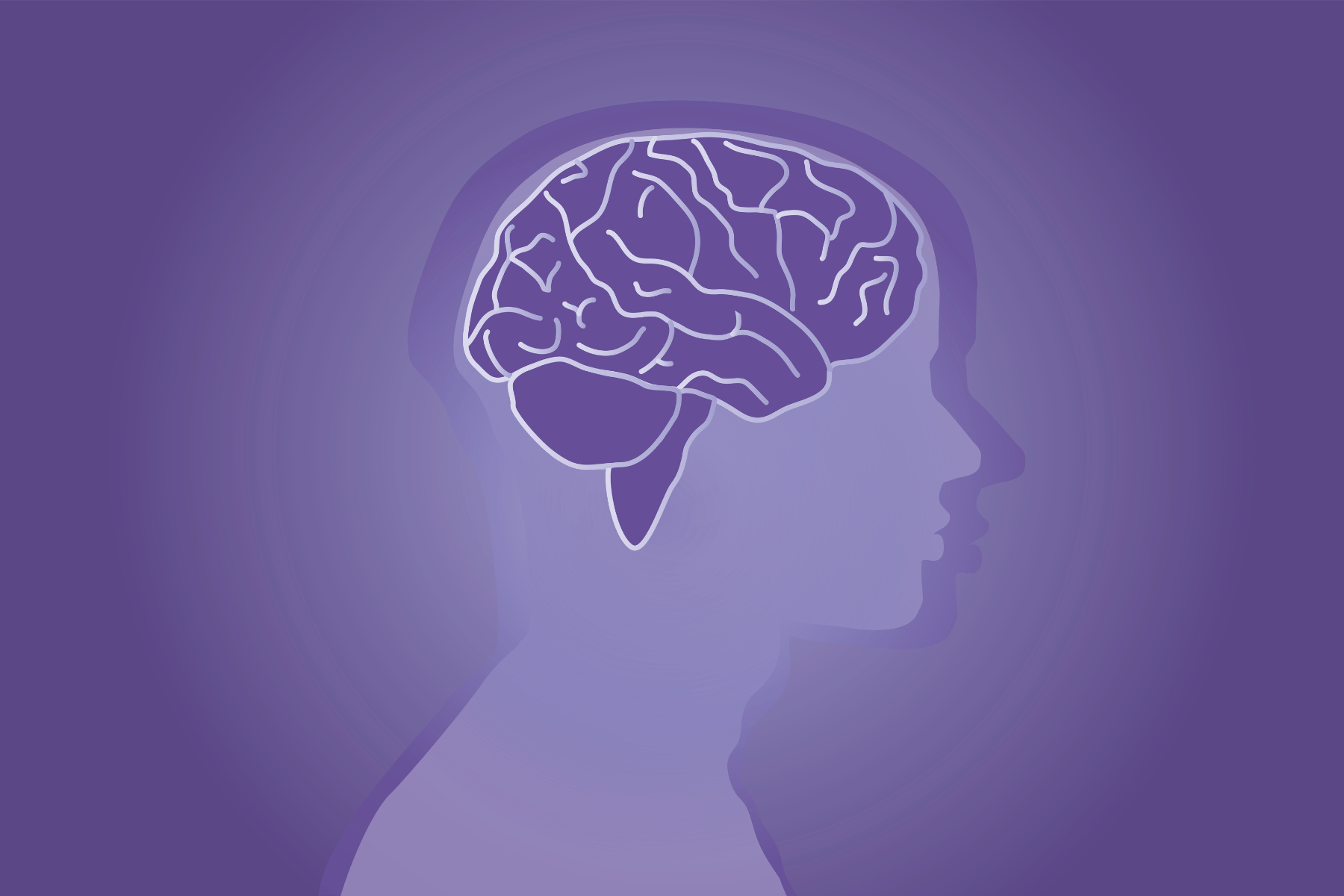
According to Sinclair, the differences between neurodivergent and neurotypical brains are neurobiological and specific. Here are a few key areas you should know about.
Sensory Processing
Many neurodivergent brains process sensory input at a high intensity. For example, the fluorescent light that a neurotypical person is briefly annoyed by but stops noticing within seconds may remain all-consuming for a neurodivergent person’s entire workday.
“Neurotypical brains filter sensory input through a system that prioritizes relevant information and habituates to background input relatively automatically,” says Sinclair. But for neurodivergent brains, there is a very real neurological difference that comes with regulatory and cognitive costs. Sinclair notes that it’s “not oversensitivity in the colloquial sense.” It’s an entirely different brain process.
Time Perception
It’s common for people with neurodivergent brains to be known for their chronic lateness, last-minute performance, and difficulty with planning. However, these are often not motivational failures, but instead a processing challenge.
“Many neurodivergent people — particularly those with ADHD and many autistic people — experience time as ‘now’ and ‘not now’ rather than as a continuous navigable medium,” explains Sinclair. “The future deadline doesn’t feel real until it suddenly becomes now.” They often struggle to accurately estimate a duration of time, whether trying to determine how long a future task will take or getting lost in the moment as they hyperfixate on a project.
Executive Function
“The six core executive functions — working memory, task initiation, emotional regulation, flexibility, planning, and inhibitory control — operate differently,” says Sinclair. Those with neurodivergence may find their working memory is smaller or more vulnerable to interference. Task initiation also requires specific neurochemical conditions that don’t activate reliably for routine tasks, making everyday chores and processes a challenge.
“Cognitive flexibility is more costly,” says Sinclair, noting that these challenges are neurological differences, not effort deficits.
Social Processing
For neurodivergent people — particularly autistic people — navigating social interactions can feel like a landmine. “Neurotypical social cognition is largely automatic — reading facial expressions, inferring intent, managing unspoken rules — happens without significant conscious effort,” says Sinclair. “For many autistic people, this processing is more effortful, more conscious, and more resource-intensive.”
However, the issue can often go both ways. “Neurotypical people are equally poor at reading autistic social signals,” says Sinclair. “The asymmetry of diagnosis has historically located the problem in the autistic person. The research shows it belongs to the mismatch.”
Emotional Processing
Neurotypical people and neurodivergent people experience the world very differently, so it only makes sense that they would process the world emotionally in different ways, too. “Rejection sensitive dysphoria — intense immediate emotional pain triggered by perceived criticism or rejection — is a common ADHD feature that neurotypical people typically don’t experience at equivalent intensity,” says Sinclair.
“Autistic emotional experience often includes alexithymia — difficulty identifying one's own emotional states in real time,” she continues, “which is not emotional absence but a different kind of access.”
Energy and Recovery
Neurodivergent people use a lot more energy managing their sensory environment, suppressing atypical tendencies, and monitoring their performance in social settings. Sinclair describes this as a “masking tax,” since it forces the neurodivergent person to expend emotional and physical energy on things a neurotypical person might do without a second thought. Because of this, many people with neurodiverse brains find themselves more tired (and spending more time recovering) after work and social engagements.
How Can Neurotypical People Be More Inclusive of Those with Neurodiverse Brains?
With roughly 1 in 5 people living on the spectrum of neurodiversity, it’s important for neurotypical people to learn how to best include and support the neurodivergent community.
“Inclusion is often framed as accommodation — making exceptions for those who can't meet the standard,” says Sinclair. “Environments designed for neurodivergent nervous systems almost universally work better for everyone. The changes are not concessions — they are improvements.”
Here are a few practical steps that she suggests for neurotypical people trying to learn how to better care for their neurodivergent friends, family members, and co-workers.
Ask rather than assume. 'What do you need to do your best work?' is a powerful question that almost nobody asks.
Design for variability. Multiple communication formats, flexible seating, varied lighting, quiet spaces, movement breaks. None of these disadvantage neurotypical people. All of them remove barriers for neurodivergent ones.
Reduce performance demands that aren't about the actual task. Eye contact requirements, mandatory social interaction, rigid dress codes, open-plan environments — these are cultural norms imposed as requirements, not functional necessities.
Value different communication styles explicitly. Direct communication, unusual detail, atypical emotional expression, processing time — name these as assets rather than social deficits.
Understand masking and its cost. The person who appears fine may not be. Don't use apparent capability as evidence that support isn't needed.
Repair misattributions explicitly. When a neurodivergent person has been told they're lazy, defiant, or difficult — naming the neurobiological mechanism of what was actually happening removes shame that has accumulated over years.
Learn the framework. The most inclusive thing any individual can do — clinician, manager, family member, colleague — is understand how nervous systems actually work. That understanding changes how demands are framed, how environments are designed, and how differences are interpreted.

Learn How to Navigate Life with Neurodiversity Through Evidence-Based Therapy
At Aspire Psychology, we understand the challenges and unique strengths that come with neurodiverse brains. If you’re struggling to know how to best navigate the world as a person experiencing neurodiversity, our team of compassionate, evidence-based therapists is here to come alongside you every step of the way.
Ready to learn more? Connect with Alesin or another one of our clinicians today to get started.