
Support Through Loss: Grief Counseling in Portland, Oregon
Grief is a universal experience—one that does not have to be walked through alone. Typically associated with death, feelings of grief can follow a wide range of experiences. Whether you’re grieving the death of a friend or family member, the loss of a pet, or the pain of divorce, grief counseling can be instrumental in supporting you through the process of healing from grief.
Keep reading to learn more about what grief counseling is, why it’s helpful, and where to seek grief counseling in Portland, Oregon.

What Is Grief Counseling?
Grief counseling is a type of therapy designed to help a person cope with the feelings that arise after a significant loss.
“Grief counseling works to help the grief—which is the internal experience of sorrow—shift into mourning, or an external expression of the sorrow,” says Ryoka Kim, PhD. “The process helps a person to integrate the loss into their life, however that may mean to that person.”
According to Dr. Kim, grief looks different for each individual. For some, healthy integration might look like finding clarity and meaning in life again after a painful loss. For others, it might mean rediscovering their self-identity in this new reality.
Who Can Benefit From Grief Counseling?
Grief counseling is beneficial for anyone struggling to process loss. While it’s common for people to seek grief counseling following the death of a loved one, grief counseling can be immensely valuable for individuals navigating a wide range of experiences, including:
The death of a friend or family member
The death of a pet
Terminal diagnosis
Divorce
Pregnancy loss
Fertility challenges
Chronic illness
The end of a relationship or friendship
Job loss
Some grief experiences may not traditionally be recognized, leading to a person not feeling validated in their grief. Such experiences are known as disenfranchised grief; while they may be trivialized, misunderstood, or not acknowledged, that does not make the grief any less real or deserving of support.
While many people feel as though their experience is “not a big enough deal” to seek grief counseling, if grief is regularly affecting your day-to-day life, you deserve to have the opportunity to work toward healing alongside a professional.
What Is a Grief Counseling Session Like?
Everyone grieves differently, so no two grief counseling sessions look exactly alike. Some people coming to grief counseling may be unable to function or stop crying; others may be numb and struggling to feel their emotions at all.
The process begins with an initial conversation in which the patient shares about the loss experience they hope to work through, as well as how that loss is currently impacting their life or identity. However, grief therapy sessions are about more than just unpacking the loss and the feelings surrounding it.
“You can’t just do all of the grief work at once,” says Dr. Kim. “It’s not necessarily that every minute is spent focusing on the experience or the events. Sometimes we step away to talk about things like what self-care looks like right now, or how you’re getting your steps in. Grief is a marathon, you have to find the right pacing.”
How Is Grief Counseling Different Than Seeking Support From Friends and Family?
Being surrounded by a supportive community of loved ones can be a huge comfort when walking through seasons of grief. However, these relationships are not a replacement for professional support.
“Grief counseling provides a neutral third party,” says Dr. Kim. “It allows you to focus on your needs and your experience instead of feeling like you have to carry thoughtfulness toward the other person in the relationship. You don’t have to worry about things like, ‘Oh, I’m just repeating myself,’ or ‘How will this impact my relationship with this other person?’ or feeling as though your grief is too sad for the other person to bear.”
Dr. Kim emphasizes that when a person is going through grief, they’re holding a lot already. Having a nonjudgmental safe space can be priceless.
“We use the metaphor that grief is like carrying a backpack with a lot of heavy blocks in it,” says Dr. Kim. “In a way, having that space and allowing another person to hold your experience alongside you is kind of like putting that backpack on the ground. Even though we may not be able to take the backpack away, and we shouldn’t, we’re able to give that person a little bit of solace before they continue back on the journey.”
Additionally, Dr. Kim notes that in the case of the death of a friend or family member, the loss likely impacts multiple people across your circles. While on the one hand there is certainly healing power in being able to mourn as a community, on the other hand, your resiliency to support your grieving loved ones may be limited as you yourself are struggling to work through the loss. Grief counseling provides an additional layer of support, giving you a dedicated person who is able to help you carry your burden.
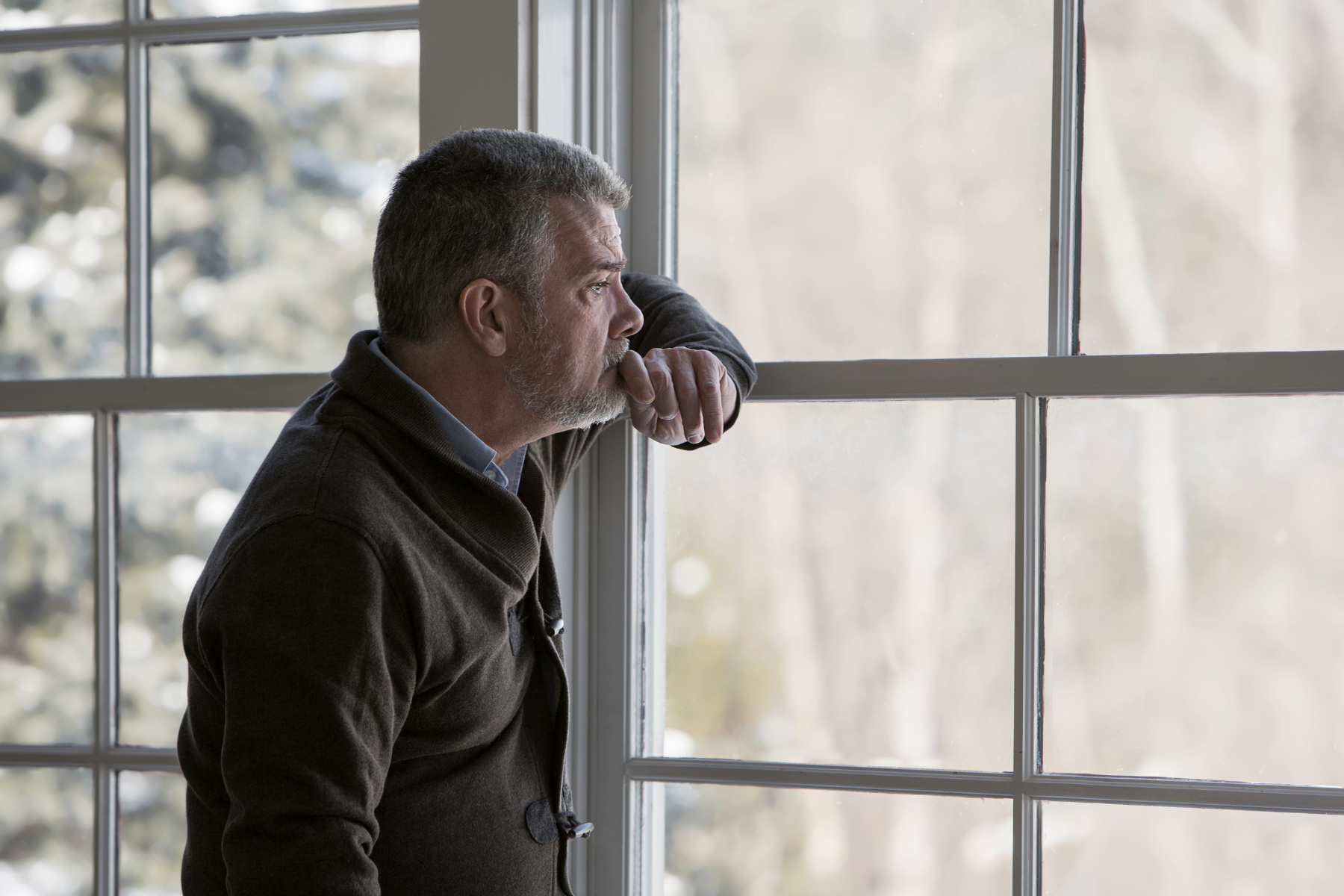
How Do I Know if I Need Grief Counseling?: Signs and Symptoms
It’s normal to experience feelings of sadness and grief after significant loss. But how do you know if it’s time to pursue professional support?
Dr. Kim says that often, the desire for or interest in grief counseling is a signal in and of itself that it might be time to reach out to a mental health professional. “If someone is curious and open, it might be helpful to try talking with a therapist and see if it feels right.”
Additionally, Dr. Kim says that patients with a history of or ongoing struggles with conditions like depressive disorders or anxiety disorders can compound the trauma experience of the loss. “These patients may be more likely to lean on maladaptive or unhealthy coping mechanisms, and may need professional support to address their existing mental health conditions on top of the regular grief process.”
Signs it might be time to seek grief counseling include:
Suicidal thoughts or ongoing feelings of depression
Inability to accept the reality of the situation
Loss of appetite or GI symptoms
Sleeping too much or too little
Difficulty completing everyday tasks
Substance or alcohol abuse
Reckless behavior
Intrusive thoughts
Lack of support system
Increased irritability or anger
Panic attacks
Withdrawing and avoiding human interaction
Excessive feelings of guilt
Persistent feelings of hopelessness
While it’s normal to experience symptoms within the initial days and weeks following the loss, if symptoms persist, it may be time to seek professional support.
Discover Supportive Grief Counseling in Portland, Oregon at Aspire Psychology
If you’re grieving the loss of a loved one, have recently said goodbye to a pet, or are struggling to move forward in the wake of a shattered relationship, you don’t have to work through this alone. At Aspire Psychology, our compassionate grief counseling services are here to support you as you navigate your healing journey.
Ready to take the first step? Connect with Dr. Kim or another one of our clinicians today to get started.