
Do You Have Anxiety? | Mindfulness Exercises to Support a More Regulated Nervous System
From interpersonal challenges to work pressures, fears about the future and everyday mental health struggles, there are many reasons why someone may have feelings of anxiety. But while anxiety is a common experience, it does not have to be your constant reality.
If you regularly deal with anxiety, mindfulness exercises can be a valuable tool to integrate into daily life. These exercises help promote nervous system regulation, and are most successful when practiced alongside the support of a licensed therapist.
Keep reading to learn more about how mindfulness exercises can help you.

Do I Have Anxiety?: Signs and Symptoms
If you think you may have anxiety, you’re not alone. Over 40 million adults in the U.S. (almost 20%!) have an anxiety disorder, and nearly 7% of children experience symptoms of anxiety. As anxiety has become increasingly prevalent, society has had the opportunity to reduce much of the stigma around it and bring awareness to what it really looks like.
Anxiety is about more than just occasional feelings of nervousness. It’s a common mental health condition characterized by persistent fear or worry. This can range from mild discomfort to overwhelming panic and emotional dysregulation that significantly affects overall functioning.
Symptoms of anxiety may include:
Excessive or uncontrollable worry
Restlessness
Difficulty concentrating
Irritability
Rapid heartbeat
Muscle tension
Sweating
GI distress
If you find that you regularly experience multiple symptoms of anxiety, it may be time to make an appointment with a therapist.
What Is Mindfulness and How Does It Help Anxiety?
Mindfulness is an intentional awareness of one’s thoughts, feelings, sensations, and environment. Practicing mindfulness requires you to slow down and be truly present in the immediate moment.
Mindfulness is particularly helpful for patients with anxiety because so much of anxiety focuses on the past or the future. By honing in on the present, someone experiencing feelings of anxiety is able to decrease reactivity and increase feelings of safety. It also helps to break negative thought patterns and invite feelings of curiosity, openness, and acceptance.
Reducing Anxiety: Mindfulness Exercises to Support Nervous System Regulation
If you have anxiety, it can be helpful to have a few go-to mindfulness exercises to turn to when you feel particularly overwhelmed. Here are a few of our go-to mindfulness exercises that we share with patients at Aspire.
Box Breathing
Box breathing is a breathing technique that invites participants to breathe in four-second increments, breathing in through the nose for four seconds, holding the breath for four seconds, exhaling for four seconds, and holding again for four seconds. The cycle can be repeated as many times as necessary to regulate breathing—typically for four or five minutes.
Body Scan
The body scan is an easy check-in that you can do anywhere at any time. Simply take the time to slow down and observe how your body feels. Mentally scan your body, moving from one part to the next — most people begin either with the head or the feet. If you’re experiencing dissociation, the body scan can help you come back to yourself.
Go for a Tech-Free Walk
This doesn’t have to be a big excursion — you can take a quick walk around your neighborhood, around the block, or even just up and down your driveway. Keep your phone tucked away in a pocket or purse, and take the opportunity to pay attention both to your body and the world around you. Walk slowly, noticing how each step feels. How does your body balance? How does your body naturally move?
Engage your senses — what do you hear? See? Smell? Pay attention to the world around you — how the light feels on your face and the temperature of the breeze. Avoid judging your feelings or thoughts and give yourself permission to just exist.
Focus on One Thing at a Time
In a culture filled with hustle and bustle, multitasking has become the new normal. However, you probably don’t realize the extent to which trying to do everything at once has thrown your nervous system into a state of disarray.
The next time you start working through your to-do list, make the intentional decision to focus on one thing at a time. Don’t check your phone or browse online — focus solely on the task at hand and see how it makes you feel.
Journal
The best thing about journaling is that there’s no right or wrong way to do it — your journal is your own personal spot to process and empty your mind. Putting pen to paper is a grounding act, and the emotional release of giving your thoughts somewhere to go can’t be discounted.
Not sure where to begin? Start writing down three things that you’re grateful for each day, or doing a one-page daily brain dump before diving into the workday ahead.
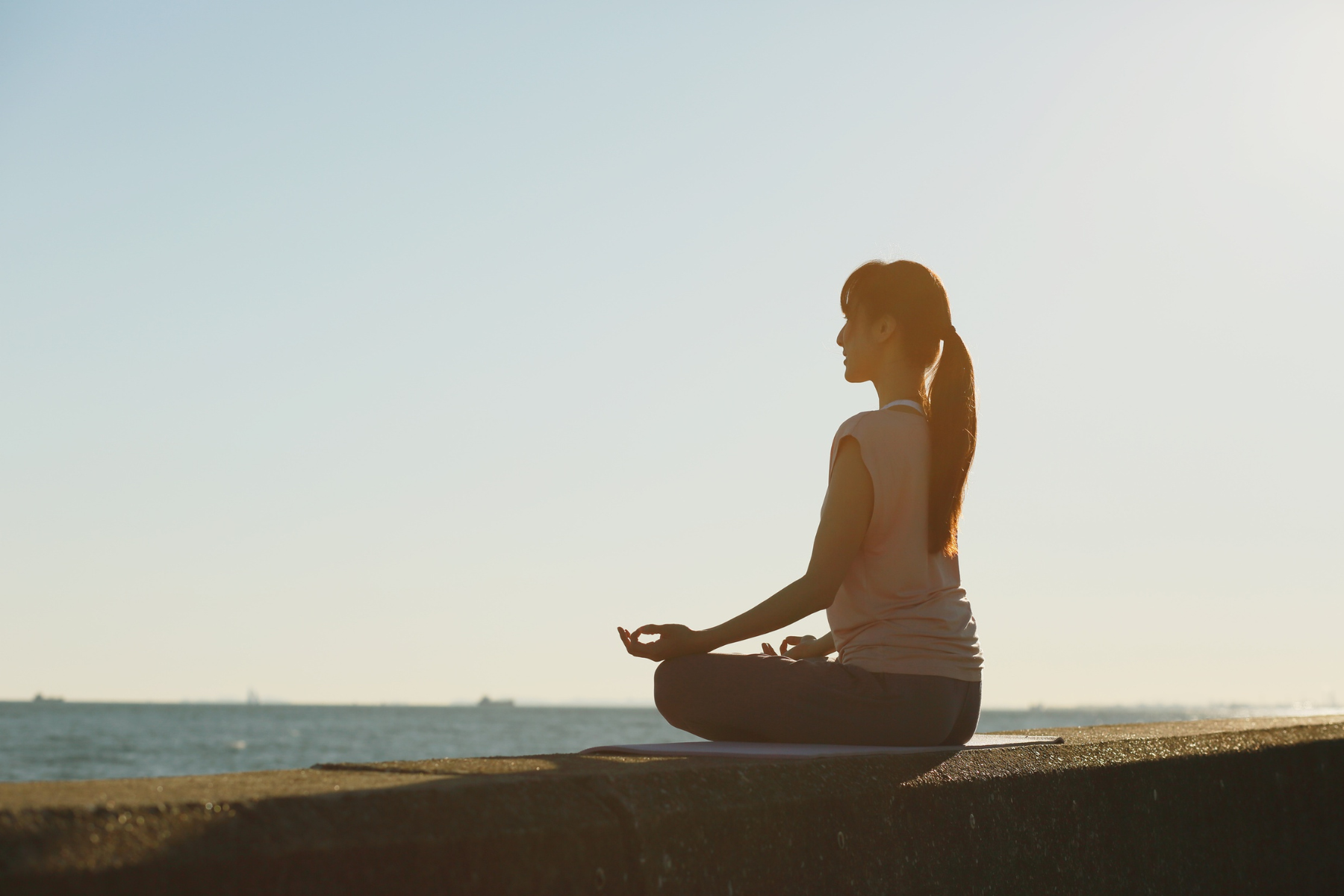
Discover Freedom From Anxiety Through Mindfulness and Therapeutic Care at Aspire Psychology
At Aspire Psychology, we believe that everyone deserves a life of peace and emotional regulation. If you’re interested in learning more about how mindfulness can help reduce anxiety, we would love to connect you with a therapist who can support your healing journey.
Ready to learn more? Get started today.