
Have you been wondering if you might be neurodivergent? Are you trying to parent a neurodivergent child, or better understand a neurodivergent friend or partner? Whether you’re trying to learn how to manage your own brain or navigate relationships with your neurodiverse loved ones, it can be overwhelming to know where to begin.
Neurodivergence is a vast spectrum that looks different for everyone—but that doesn’t mean you have to figure it all out on your own. Keep reading to discover our favorite books about neurodiversity and discover the unique beauty that comes with looking at life a little differently.

What Is Neurodiversity?
Harvard Health defines neurodiversity as “the idea that people experience and interact with the world around them in many different ways.” They go on to emphasize that these differences are not deficits—there’s no one “right” way of thinking, learning, and behaving.
Typically, when we speak about neurodiversity, we’re doing so in the context of specific neurological or developmental conditions, including:
Autism
Attention-Deficit Hyperactivity Disorder (ADHD)
Dyslexia
Dyscalculia
Dyspraxia
Tourette’s syndrome
Sensory processing differences
Trauma-related nervous system adaptations
15–20% of the world’s population identifies as neurodivergent—roughly 10 million people. So while neurodiversity may not be the standard, it’s also far from uncommon.
Our Neurodiversity Book List: What Are the Best Books About Neurodiversity?
Whether you want to learn more about neurodiversity to be a better parent, friend, or partner, or are seeking to understand your own brain and processes, these books are a fantastic place to start. Keep reading for the top books about neurodiversity that our therapists recommend.
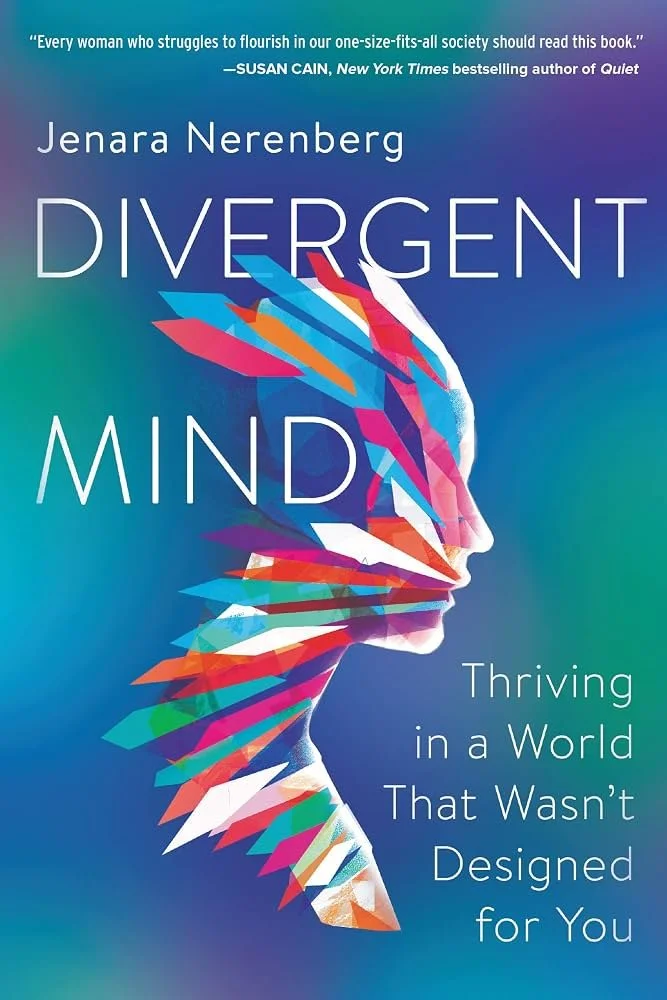
Divergent Mind by Jenara Nerenberg
Neurodiversity is often overlooked in women, resulting in diagnosis coming later in life. This was true for Harvard-educated writer, Jenara Nerenberg, who was shocked to discover that what she’d always thought to be anxiety was actually autism and ADHD. In Divergent Mind, she explores why sensory processing differences are misunderstood in women and the effect that it can have. She shares real stories from women with high sensitivity, ADHD, autism, misophonia, dyslexia, SPD, and more. She also dispels common misconceptions, and provides insights into how we can better support divergent minds.

How to Keep House While Drowning by KC Davis
While this book is not exclusively written for individuals living with neurodivergence, it speaks specifically to the experience of ADHD or other forms of neurodiversity and how these lived experiences can impact everyday household tasks. How to Keep House While Drowning seeks to remove the shame that can come with struggling to keep up with chores or homemaking skills, instead prioritizing functionality for each individual’s unique way of thinking. It’s a game changer, especially if you struggle with executive functioning skills.
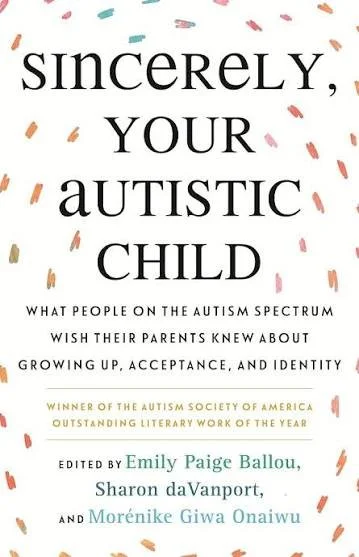
Sincerely, Your Autistic Child by Emily Paige Ballou, Sharon daVanport, and Morénike Giwa Onaiwu
If your primary experience has been living as a neurotypical person, it can feel overwhelming to receive an autism diagnosis for your child. You want to parent your child as well as you possibly can, but knowing that they process the world so differently from the way that you do can make knowing how to make the right parenting choices a challenge. Sincerely, Your Autistic Child is an anthology of essays written by people living with autism about the joys and challenges of growing up neurodiverse. Contributors reflect on what they’ve learned throughout their lives while providing insights about common mistakes parents can make and ways they can meet their child where they are.
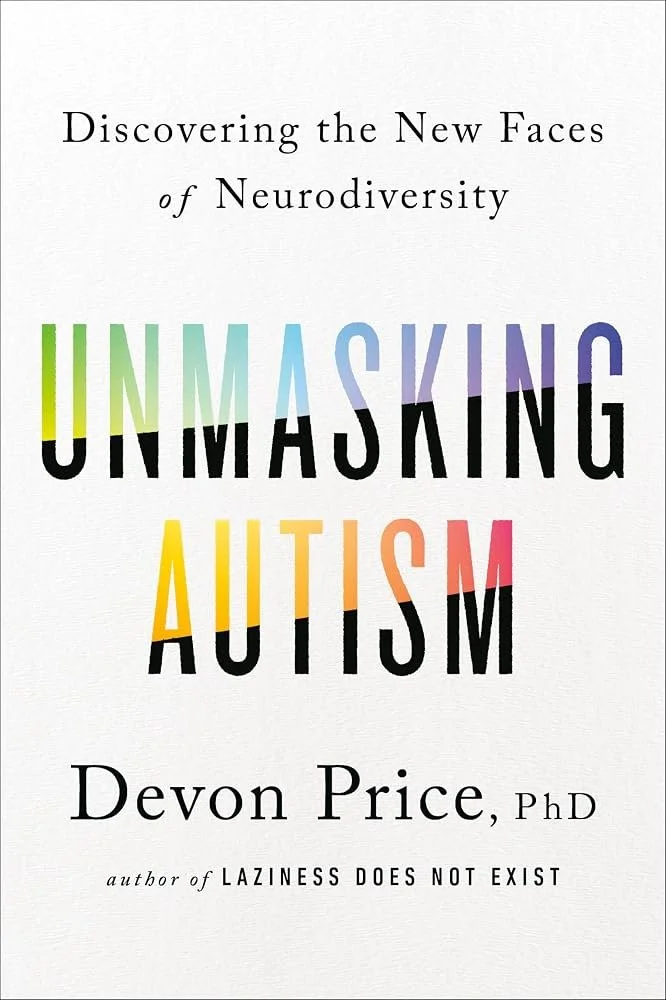
Unmasking Autism: Discovering the New Faces of Neurodiversity by Devon Price, PhD.
Many autistic individuals navigate the neurotypical world by “masking,” or hiding their identifiably autistic traits to better fit into the cookie-cutter mold of societal norms. However, this suppression can be draining and can ultimately have negative effects on the mental health of someone living with autism. In Unmasking Autism, Dr. Price shares insightful ways to unmask and promote self-expression within autistic individuals to more fully embrace their neurodiversity.
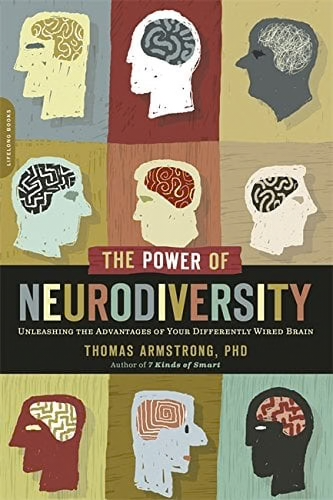
The Power of Neurodiversity: Unleashing the Advantages of Your Differently Wired Brain by Thomas Armstrong, PhD
In The Power of Neurodiversity, Dr. Thomas Armstrong raises a question: what if neurodiversity wasn’t a deficit? In this book, he dives into the positive dimensions of ADHD, autism, and other conditions in the realm of neurodiversity, exploring how they can provide unique advantages. Neurodivergence isn’t an incorrect way of thinking—it’s just a different way, and comes with strengths of its own.
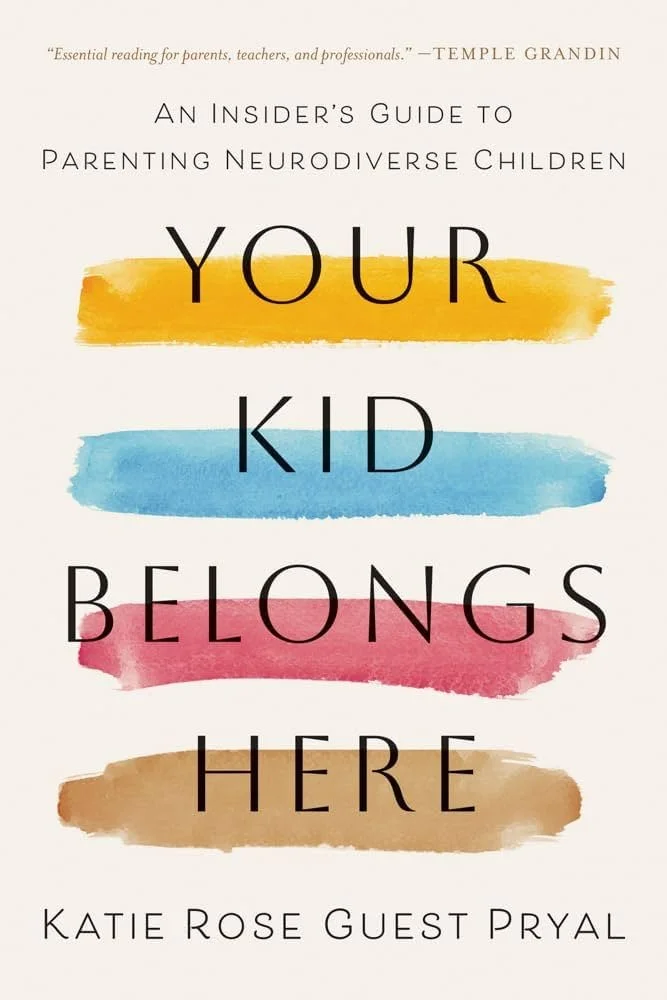
Your Kid Belongs Here by Katie Rose Guest Pryal
A compassionate, encouraging guide for parents working to better understand their neurodivergent children, Your Kid Belongs Here is a beautiful blend of personal stories and practical strategies. It offers strategies for supporting emotional regulation, explains how to navigate accommodations and best advocate for your child, and shares a vibrant array of ways to nurture your child’s unique strengths and gifts. Empowering and empathetic, it’s the book that parents of adult children with neurodivergence wish they’d had at the beginning of their parenting journey.
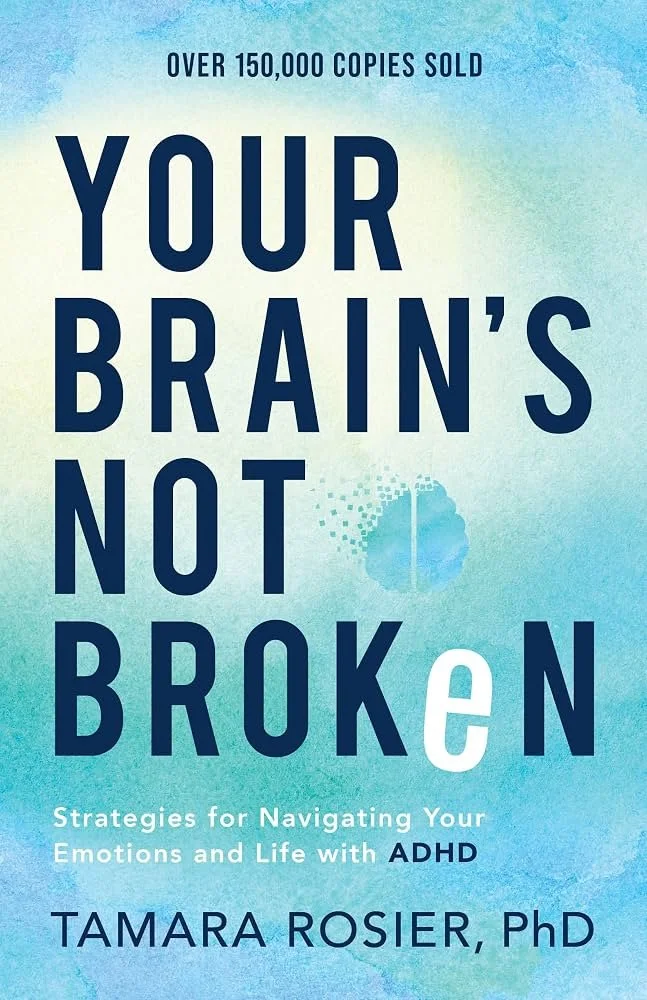
Your Brain’s Not Broken by Tamara Rosier, PhD
For adults with ADHD, the way their brain works can be a source of shame or frustration. In Your Brain’s Not Broken, Dr. Rosier reminds readers that the difference in their brain’s circuitry isn’t wrong; it just requires a different way of operating. She provides actionable tools to take charge of your emotions, thought patterns, and actions, learning how to manage executive functioning challenges and lessen the impact of ADHD symptoms on daily life. She also helps readers understand why they feel the way that they do, getting to the root source instead of just putting a band-aid on the symptoms. Whether you yourself have ADHD or are trying to support a loved one who does, this book is a rich guide to an easier way of life.
Navigate Neurodiversity With the Support of a Therapist Who Cares
At Aspire Psychology, we know that living with neurodiversity can come with unique challenges. But we also know that the neurodivergent experience comes with unique strengths as well, and that it’s possible for individuals living with neurodiversity to build rich, vibrant lives for themselves.
Whether you’re trying to better understand a prior diagnosis or wondering if you might be neurodivergent, our team is here to support you every step of the way. Contact us today to learn more.