
Therapist-Approved Sensory Stimulation Tools for Emotional Regulation
Sensory stimulation tools come in all shapes and sizes, and can be incredibly beneficial for emotional regulation. And while these tools are sometimes considered “toys,” the truth is that sensory stimulation devices are helpful for people of all ages.
Whether you’re neurodivergent, struggling with self-harm, or frequently experience anxiety or panic, sensory stimulation tools can be the grounding support you need as you walk through daily life.
Not familiar with sensory stimulation tools? Keep reading to learn how and why they work, and discover a few of our therapist-approved favorites that we recommend to our patients here at Aspire.
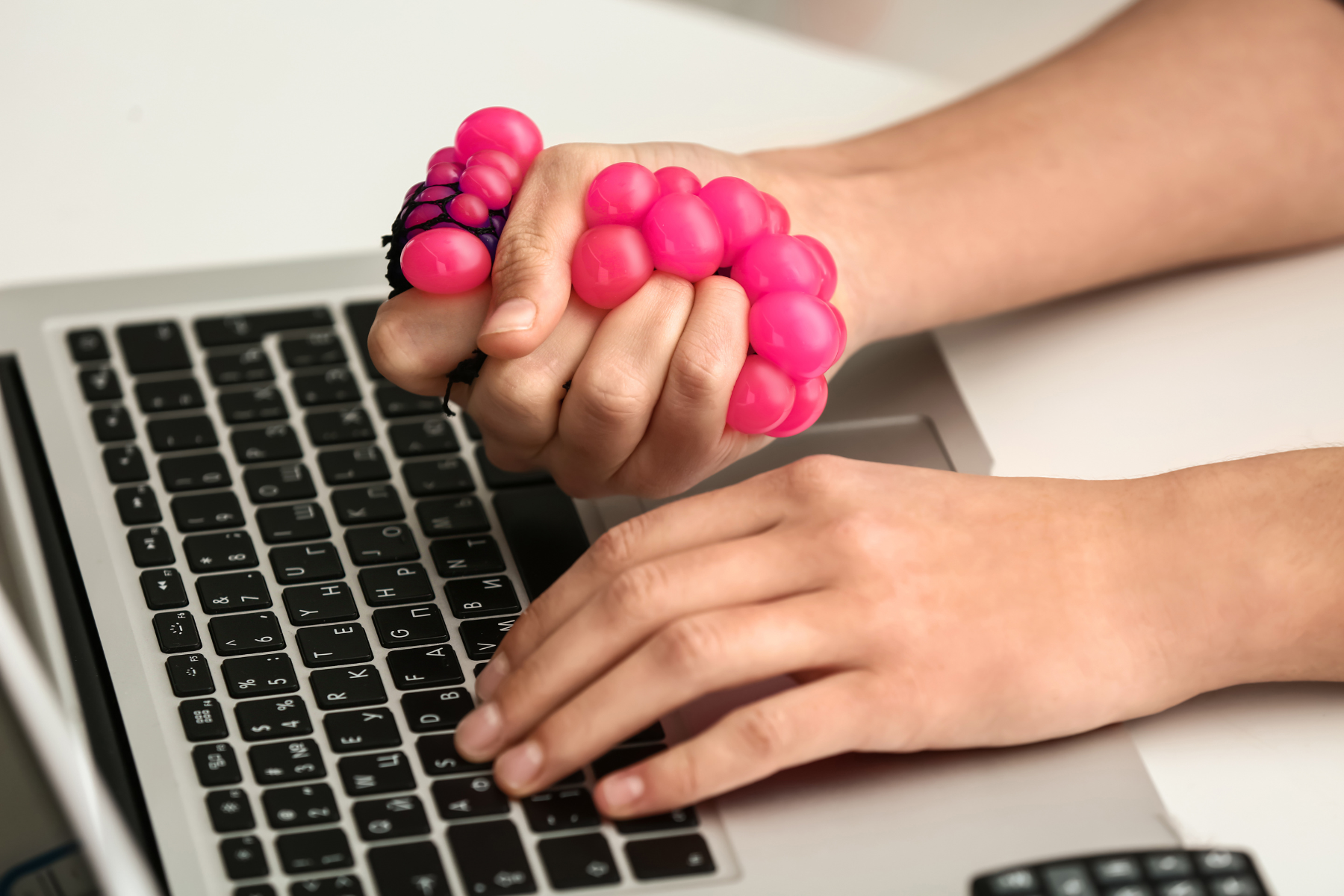
What Are Sensory Stimulation Tools?
Broadly, sensory stimulation is an intervention that can lead to improved emotion regulation through activation of the five senses (touch, sound, sight, smell, taste). These interventions are particularly beneficial when an individual is experiencing sensory processing challenges, which can cause a patient to either over- or under-respond to stimuli in the world around them.
For this article we will focus on sensory stimulation tools that target the sense of touch.
How Do Sensory Stimulation Tools Help?
Research has shown that sensory input has a direct effect on attention and emotional regulation. Sensory tools calm the nervous system, improve focus, and can even support executive function. For individuals with ADHD or on the autism spectrum, these tools can be lifelines as they navigate a world that often feels overwhelming and overstimulating.
Additionally, sensory stimulation tools can be helpful for patients struggling with self-harm or other urge-based behaviors, such as skin picking or hair pulling. This is because sensory stimulation tools provide pressure, and sometimes even a gentle “pain” that helps satisfy the harmful urge, giving the patient a safe outlet.
Who Can Most Benefit From Sensory Stimulation Tools?
At Aspire Psychology, we often recommend sensory stimulation tools to our patients with neurodivergence, such as those with ADHD or on the autism spectrum. We also recommend sensory tools to patients struggling with self-harm who are in need of a safe outlet, or patients experiencing anxiety or panic.
Our Favorite Sensory Stimulation Tools
Want to see if sensory stimulation tools can help with your emotional regulation? Here are a few great options to try.
Sensory Stimulation Rings
One of our favorite tools to recommend to patients? Sensory stimulation rings. These rings are incredibly inexpensive, but we’ve seen them make a huge impact on patients’ emotional regulation. The rings themselves are made of stainless steel, which provides a spiky sensation without causing any real pain. They can be rolled along the finger, twisted, or stretched, and work well for situations in which you want to have something that can be fidgeted with unnoticed by others.
Little Ouchies
For rolling sensory stimulation tools of all sizes, Little Ouchies provides a number of great options, from small handheld tools to larger rollers. Little Ouchies can be squeezed, pressed, or rolled, and are specifically designed to help manage sensory overload, anxiety, or urge-based behaviors in a gentle, safe way.
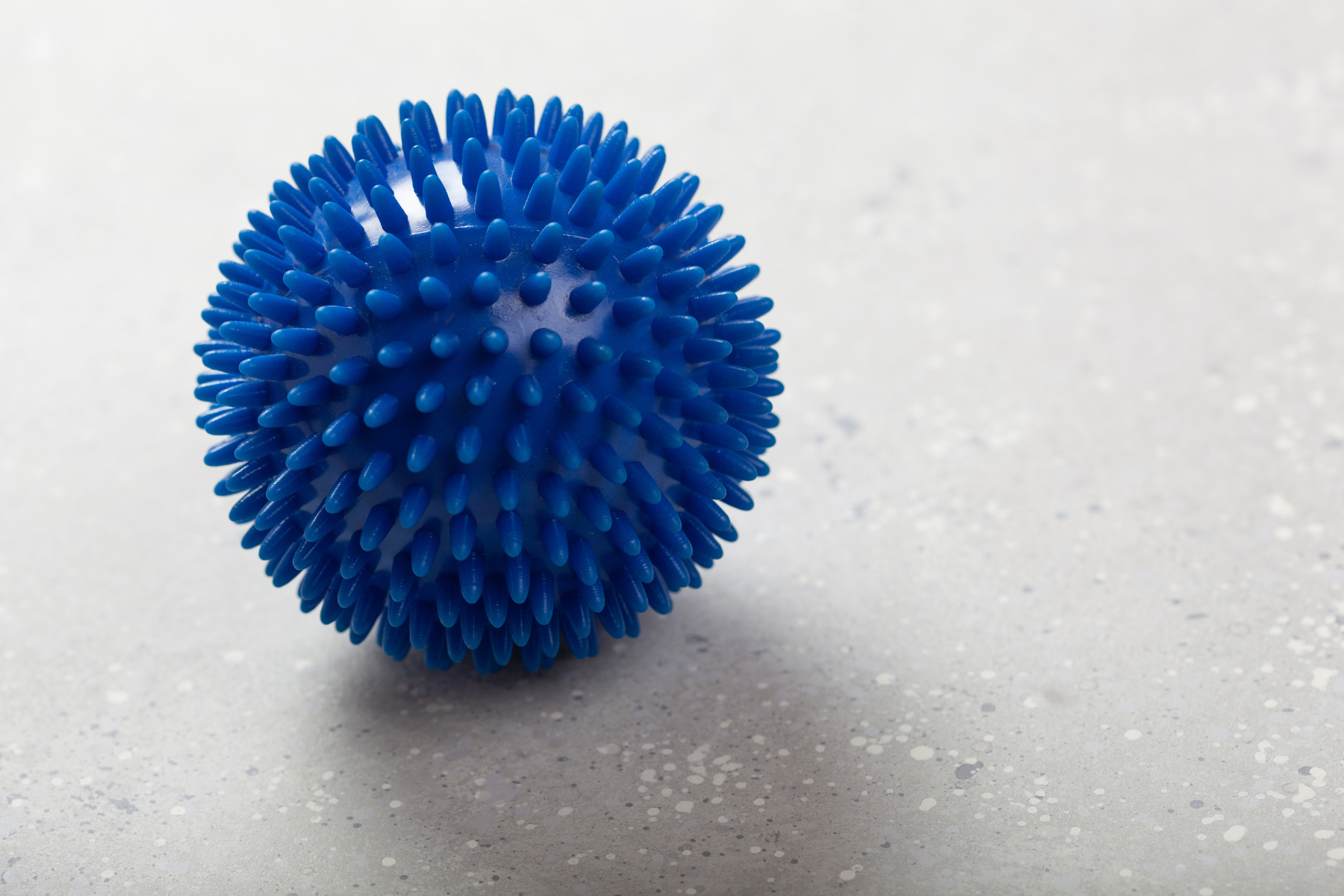
Spiky Balls
Small spiky balls are a great tool for children and adults alike. They can be kept at your desk or in your purse, and the balls themselves are small enough to fit in the palm of your hand. These balls work almost like a massage roller, reducing tension and stress while simultaneously boosting focus.
Sensory Brush
Many people find that dry brushing with a sensory brush can be helpful when experiencing overstimulation. These brushes help patients calm and regulate their emotions when overwhelmed by simultaneously soothing and stimulating the senses. The bristles are firm enough to provide pressure while still being gentle enough not to irritate the skin.
Worry Stone
Looking for a small sensory stimulation tool that can easily be kept in your pocket? These worry stones are a great low-impact tool to have on hand. The unique patterns and ridges on each stone give you an interesting texture to rub and fidget with, helping to calm, soothe, and distract in any situation.
Build Emotional Regulation Skills With the Support of an Expert Therapist
At Aspire Psychology, we love sharing practical tools that can help our patients regulate their emotional well-being. But we also know that for most people, a simple sensory stimulation tool isn’t enough.
If you’re struggling with your mental health, the best thing you can do is to connect with an expert therapist. Our compassionate, caring team is ready to help you navigate everything from anxiety and self-harm to ADHD or a late-in-life autism diagnosis.
Want to learn more? Connect with our team to get started today.